
Dave Brubeck Interview The Dave Brubeck Quartet and Ralph J. Gleason
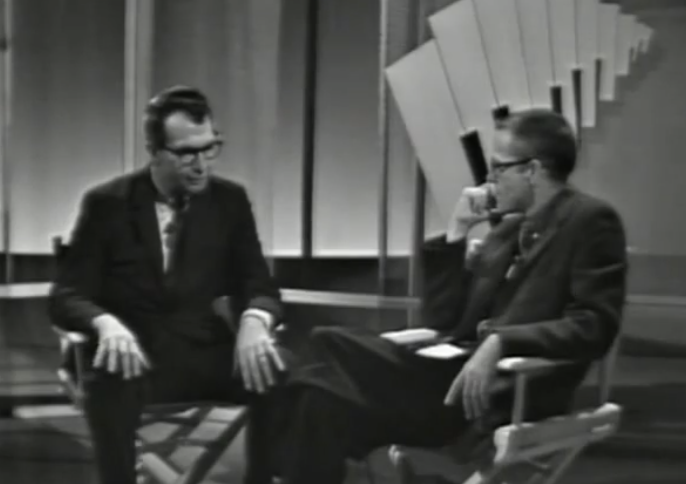
The Dave Brubeck Quartet and Ralph J. Gleason, syndicated jazz columnist, perform live at the Jazz Casual TV show, live in 1961.
The Dave Brubeck Quartet is made up of Dave Brubeck, Paul Desmond, Joe Morello and Gene Wright.
I crerated a Dave Brubeck Playlist at Tunebee this week following the news of his passing. In the 1961 interview he discusses his views in 1961 of the future directions he would help to take jazz. We mourn his passing and pause to appreciate his life.
Dave Brubeck Playlist

Half Ball – Poem by Seymour Shubin
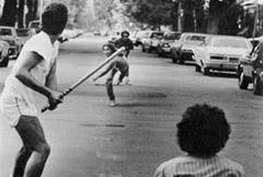

Half-Ball
We played what we used to call half-ball
Which involves cutting a regular pimple ball in half
So you couldn’t hit it too far on a city street
Or driveway
Just far enough so you could get a hit
Or even a home run
He was a gentle boy, this boy, about two years older
Than the rest of us, maybe three.
Well, he played this one game in the driveway So full of life,
so when a neighbor came to our door
The next day with word that he’d died
And no one knew why, not even the doctors,
Just went to bed and died, This kid with the same
First name as mine, which made it even worse,
But not as bad as when we’d drive past the cemetery
On our frequent trips
to New York to visit my eldest sister
And her family
And as we drove by I would think of him in there
With all those ghostly old people.
But then a couple of years later
They built a highway
That by- passed the cemetery
I was glad at first
Until I realized how much
More lonely he might be.
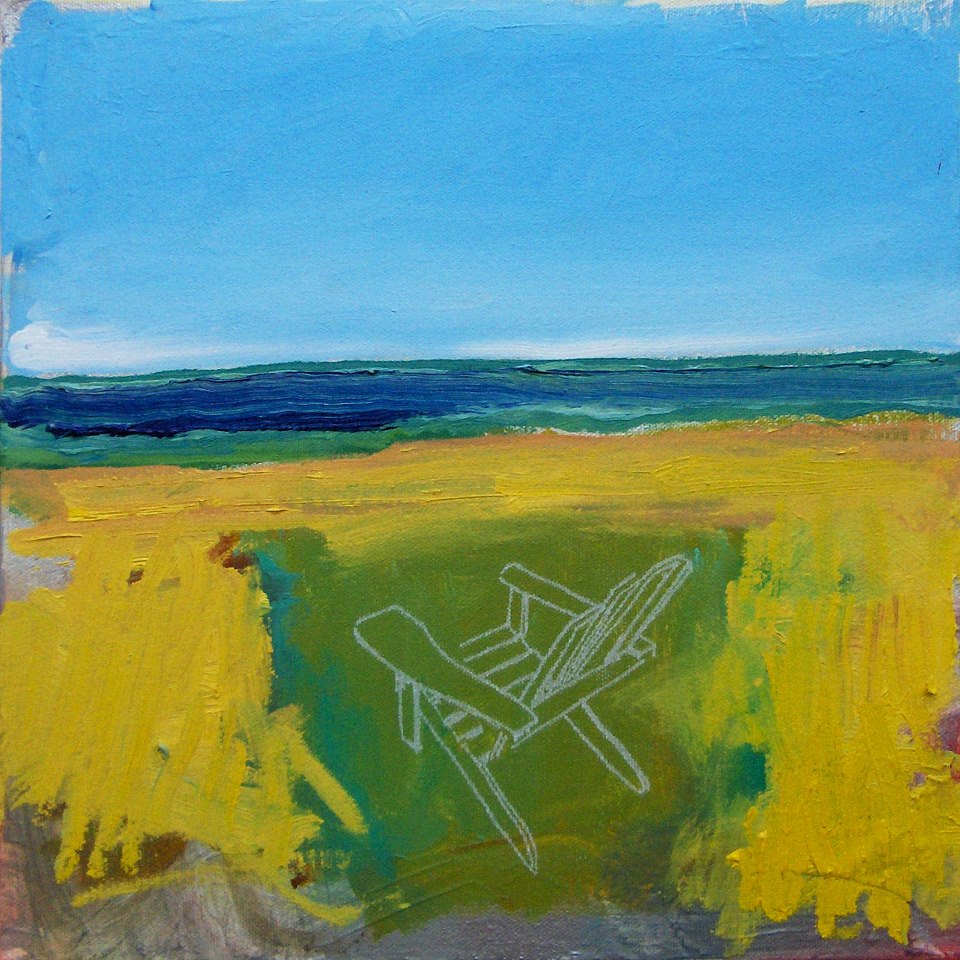
Art Poem by David Michael Jackson
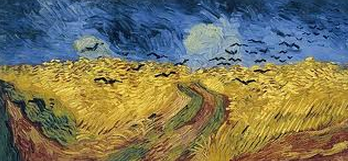

Art Poem
you mean devalue another canvas
he said
A blank canvas is worth something.
If I put paint on it
I can’t take it back
“You put paint on it”, he will say
“I can’t take that back.”
The canvas , you see
has value
if it is blank.
If I put paint on it
you might have to pay someone
to
haul it away.
Why devalue any more canvas
he said
so he painted some crows
and shot himself
in a wheat field
a golden
beautiful
wheat field
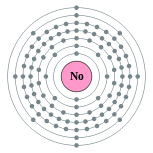
Nobelium poem by Janet Kuypers
Nobelium
Janet Kuypers

from the “ Periodic Table of Poetry” series (#102, No)*
I never saw you.
You were the one thing
we were all looking for —
peace —
and we didn’t know
what it would look like
when we found it.
If we found it.
I heard that Sweden
laid claim to you first,
but I swear,
we were all searching for you,
and I think that like most Americans
we would even try to synthesize you
in order to lay claim to you.
Listen to me,
like all Americans,
laying claim to you.
Possessing you.
Maybe you’ve kept yourself
so well hidden
because we’ll never learn
how to live in peace…
Maybe we can only take peace
in small amounts,
mixed with our usual
anger and discontent.
I know you’ve been around
for so very long,
and I can’t remember
how many years
we’ve been searching for you.
Had your hair grown
to silvery white or gray
waiting for us
to truly want peace?
Have you grown rough and metallic
in your impatience with us?
Would you be a hazard to us
if we took you in
in sufficient amounts?
Because, we want to take that chance.
Because we’ve been looking,
and we’ve been waiting for you.
* The discovery of element 102 was first announced by physicists at the Nobel Institute in Sweden in 1957. The synthesis of element 102 was then claimed in April 1958 at the University of California, Berkeley. Element 102 was first named nobelium (No) by its claimed discoverers in 1957 by scientists at the Nobel Institute in Sweden. The name was later adopted by Berkeley scientists who claimed its discovery in 1959. The International Union of Pure and Applied Chemistry (IUPAC) officially recognised the name nobelium following the Berkeley results. In 1994, and subsequently in 1997, the IUPAC ratified the name nobelium (No) for the element on the basis that it had become entrenched in the literature over the course of 30 years and that Alfred Nobel should be commemorated in this fashion.
Little is known about the element but limited chemical experiments have shown that it forms a stable divalent ion in solution as well as the predicted trivalent ion that is associated with its presence as one of the actinides.
The appearance of this element is unknown, however it is most likely silvery-white or gray and metallic. If sufficient amounts of nobelium were produced, it would pose a radiation hazard.