
Famous Ceramic Artists
Ceramic art is unique unlike other forms of art because ceramics may be considered as art as well as a functional items. Ceramics have always been created with both artistic and functional goals in mind. Famous ceramic artists are well aware of this and excel at creating ceramics for functionality as well as contemporary art. Each distinguished ceramic artist has mastered the skill of firing processes to create their artwork. Firing is the process of creating ceramics that can withstand a great deal of pressure. The firing occurs in an oxygen-rich environment. Every noteworthy ceramic artist knows when it comes to firing pottery, there are two basic approaches. The two procedures are kiln firing and open firing. Firing is a vital phase in the ceramic process. It's when clay goes from being clay to being usable ceramic.Porcelain - Porcelain is a ceramic material created by heating minerals, often kaolin, in a kiln to temperatures ranging between 1,200 and 1,400 °C. Pottery, pots and vases have been a form of artistic expression for thousands of years. Porcelain has been at the forefront of the crafts movement throughout Asia, Europe and England. White slip pottery is A slip is a clay slurry that is used to make pottery and other ceramic items. Slip or clay slurry is a liquid clay with no defined water-to-clay ratio that is used for connecting leather-hard (semi-hardened) clay bodies (pieces of pottery) together by slipcasting with moulded, glazing or decorating the pottery by paining or dipping the pottery in slip. Slipware refers to pottery that has had slip added to it for glazing or ornamentation. Many contemporary artists still have their foundations in ancient craft creating contemporary art on the pottery's wheel.
Each acclaimed ceramic artist has acquired the capacity to produce original artwork in addition to technical abilities. In art, originality is crucial. The artist's imagination is what gives art its uniqueness. Value is established by originality in art, created by the artist's own hands, and motivated by imagination. These are the primary components that give art its uniqueness.Studio Pottery - Studio pottery is created by professional and amateur artists or craftspeople working alone or in small groups to create one-of-a-kind or limited-edition pieces. Typically, all stages of production are handled by the artists themselves. Earthenware is a type of pottery that has not been vitrified and is hence water permeable. It has been used to manufacture a wide range of pots since antiquity, and it was the most common type of pottery outside of the Far East until the 18th century. By the end of the 18th and beginning of the 19th centuries, porcelain tableware and decorative objects had become necessary among Europe's wealthy middle classes, and producers could be found in virtually every nation, many of which are still in operation today. Bernard Leach (1887–1979) created a ceramic style that was influenced by both Far Eastern and medieval English forms. After briefly dabbling in earthenware, he changed his concentration to stoneware fired (glazed stoneware) at high temperatures in large oil or wood-fueled kilns. This style dominated British studio pottery in the mid 20th century.
Ceramic Artists of Notoriety
Here are some famous ceramic artists that are pushing the boundaries of creativity in ceramic art. I listed artists in no particular order, as they are each brilliantly talented.1. Ed Shears
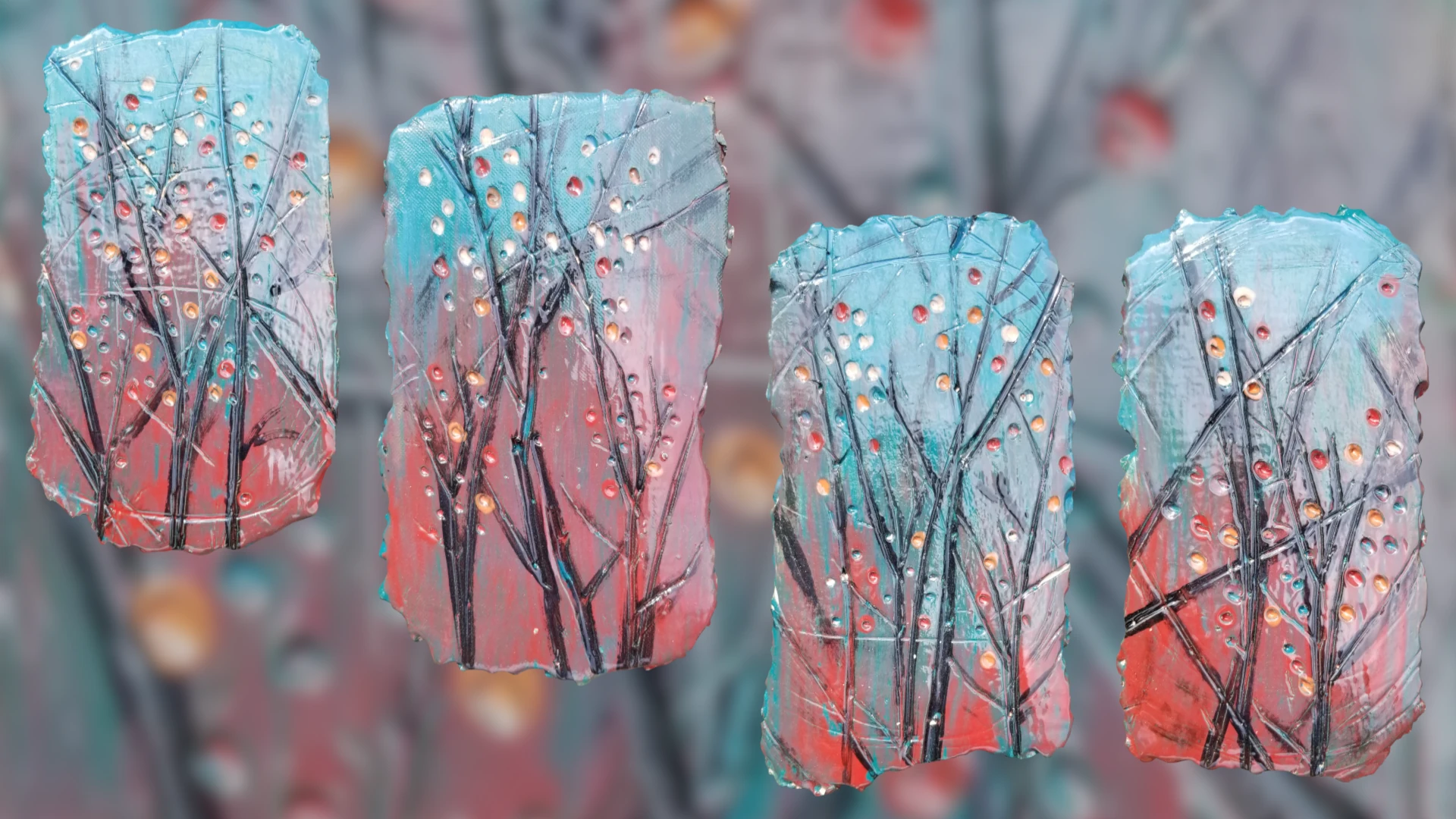 Ed works out of Murfreesboro, TN. He draws inspiration from the natural environment to create ceramic sculpture. Ed's ceramic works is in every sense, is one-of-a-kind. He says working with clay is challenging and enjoys it. According to Ed, clay has a mind of it's own. It tries to bend and mold itself in ways that you never intended. Weather, temperature, and humidity also has an impact on clay. And in the end sometimes the clay wins. There are many times when ceramic art will crack in the kiln or the glaze is not up to Ed's standards. If you are not failing, then you are not learning and growing as a contemporary ceramics artist.
Ed takes pleasure in producing ceramic wall art that is distinct from conventional pottery manufactured on a potter's wheel. He has spent years honing his clay-working methods. A perfect example is his abstract berry art. Berries are painted with vibrant colors on fascinating clay forms inspired by nature. Berries are hand molded into clay and then painted in natural hues for a one-of-a-kind appearance. The ultimate product is a one-of-a-kind berry abstract artwork. Artwork that is abstract, bright, intriguing, dimensional, modern, handcrafted, and one-of-a-kind.
Read more about Ed and modern ceramic art
Ed works out of Murfreesboro, TN. He draws inspiration from the natural environment to create ceramic sculpture. Ed's ceramic works is in every sense, is one-of-a-kind. He says working with clay is challenging and enjoys it. According to Ed, clay has a mind of it's own. It tries to bend and mold itself in ways that you never intended. Weather, temperature, and humidity also has an impact on clay. And in the end sometimes the clay wins. There are many times when ceramic art will crack in the kiln or the glaze is not up to Ed's standards. If you are not failing, then you are not learning and growing as a contemporary ceramics artist.
Ed takes pleasure in producing ceramic wall art that is distinct from conventional pottery manufactured on a potter's wheel. He has spent years honing his clay-working methods. A perfect example is his abstract berry art. Berries are painted with vibrant colors on fascinating clay forms inspired by nature. Berries are hand molded into clay and then painted in natural hues for a one-of-a-kind appearance. The ultimate product is a one-of-a-kind berry abstract artwork. Artwork that is abstract, bright, intriguing, dimensional, modern, handcrafted, and one-of-a-kind.
Read more about Ed and modern ceramic art
2. Clam Lab
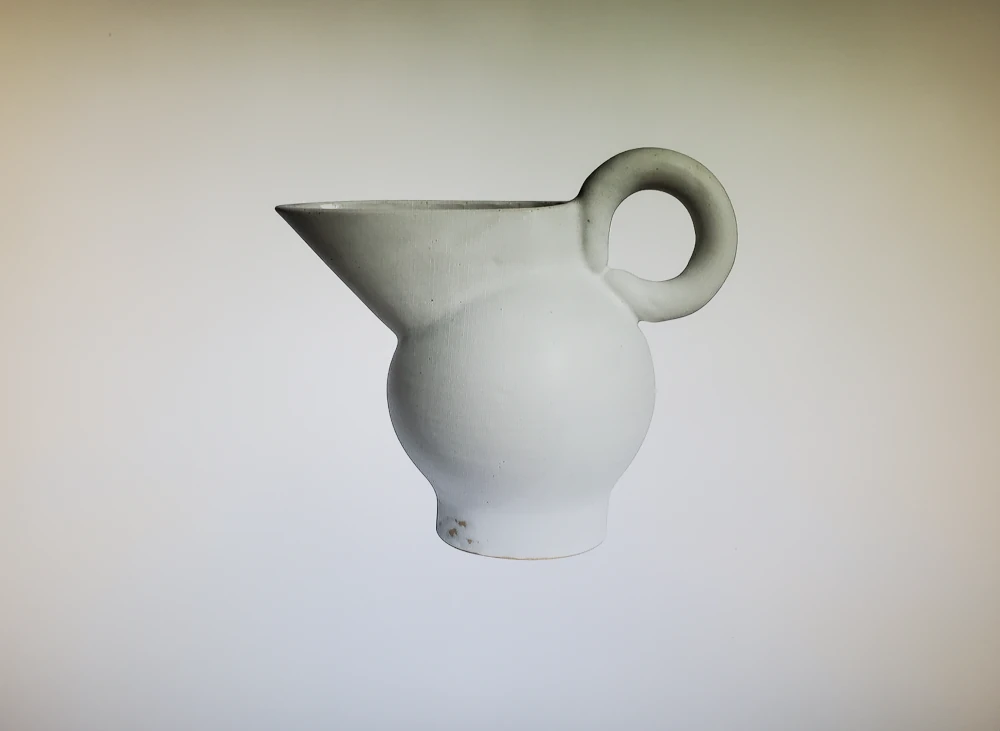 Clair Catillaz's CLAM LAB is a series of ceramic artifacts. Clair Catillaz creates handcrafted clay items and containers. Each piece is handcrafted in her Brooklyn workshop, mostly on a manual kick-wheel, with the purpose of practicality, balance, and adaptability. Catillaz's work is equally anchored in a manual, process-oriented studio experience and the object-driven focus of product design, thanks to a broad yet non-institutional background in ceramics. The basic things in life inspire Clair. A collection of well-made contemporary products with clarity, curated from daily design and workmanship, is her signature.
Clam Lab
Clair Catillaz's CLAM LAB is a series of ceramic artifacts. Clair Catillaz creates handcrafted clay items and containers. Each piece is handcrafted in her Brooklyn workshop, mostly on a manual kick-wheel, with the purpose of practicality, balance, and adaptability. Catillaz's work is equally anchored in a manual, process-oriented studio experience and the object-driven focus of product design, thanks to a broad yet non-institutional background in ceramics. The basic things in life inspire Clair. A collection of well-made contemporary products with clarity, curated from daily design and workmanship, is her signature.
Clam Lab
3. Shino Takeda Ceramics
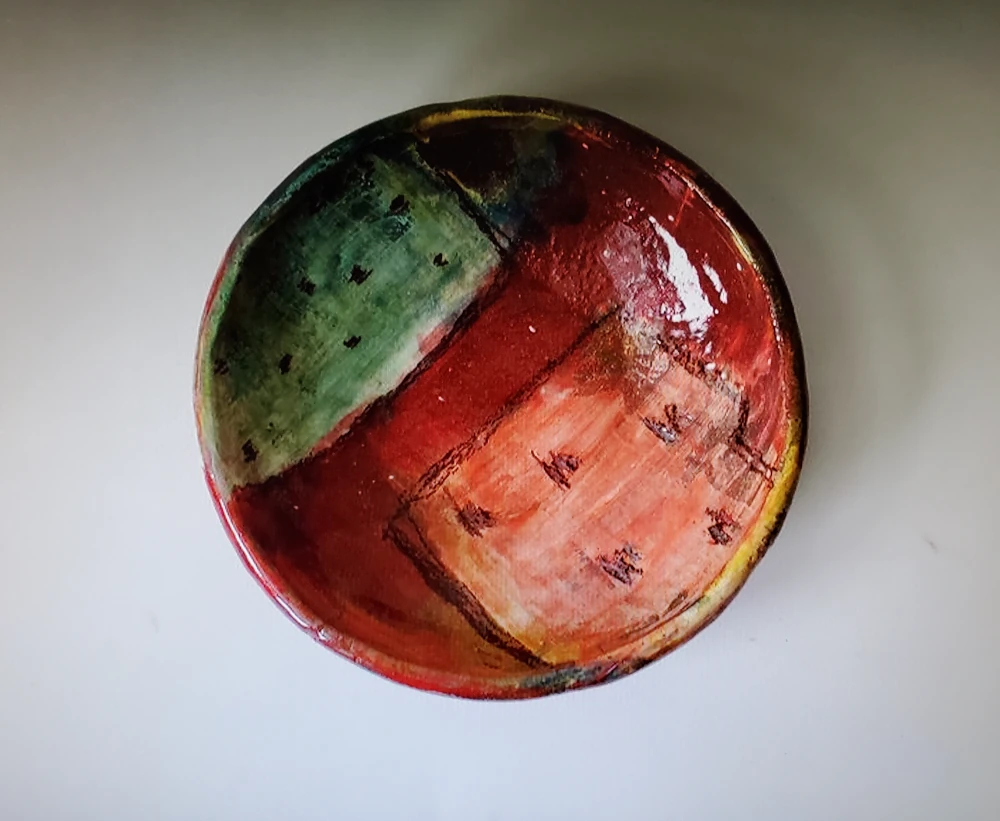 Shino Takeda grew raised on Kyushu Island in southern Japan, where pottery and art have a long tradition. My mother collected traditional Japanese ceramics, fabrics, and a variety of other crafts and arts. Being surrounded by all of this as a child had a significant impact on me. I came to New York City at the age of 20 and was exposed to an even greater array of culture and arts.
He creates the majority of his work by hand, utilizing the coiling process and a variety of clay materials.
Each season, he draws inspiration from the natural world he sees, feels, tastes, and hears around him. He has different colors inside and outside of him every day. He tries to capture these hues in his ceramics by immersing himself in them.
His art is one-of-a-kind in every way. He's always looking for ideal flaws, tracing memories, and leaving footprints of his life, creating a narrative that ties the past with the present, and himself with others.
He aspires to create larger, more mature works that retain an eccentric childlike quality.
Shino Takeda Ceramics
Shino Takeda grew raised on Kyushu Island in southern Japan, where pottery and art have a long tradition. My mother collected traditional Japanese ceramics, fabrics, and a variety of other crafts and arts. Being surrounded by all of this as a child had a significant impact on me. I came to New York City at the age of 20 and was exposed to an even greater array of culture and arts.
He creates the majority of his work by hand, utilizing the coiling process and a variety of clay materials.
Each season, he draws inspiration from the natural world he sees, feels, tastes, and hears around him. He has different colors inside and outside of him every day. He tries to capture these hues in his ceramics by immersing himself in them.
His art is one-of-a-kind in every way. He's always looking for ideal flaws, tracing memories, and leaving footprints of his life, creating a narrative that ties the past with the present, and himself with others.
He aspires to create larger, more mature works that retain an eccentric childlike quality.
Shino Takeda Ceramics
4. Coille Hooven
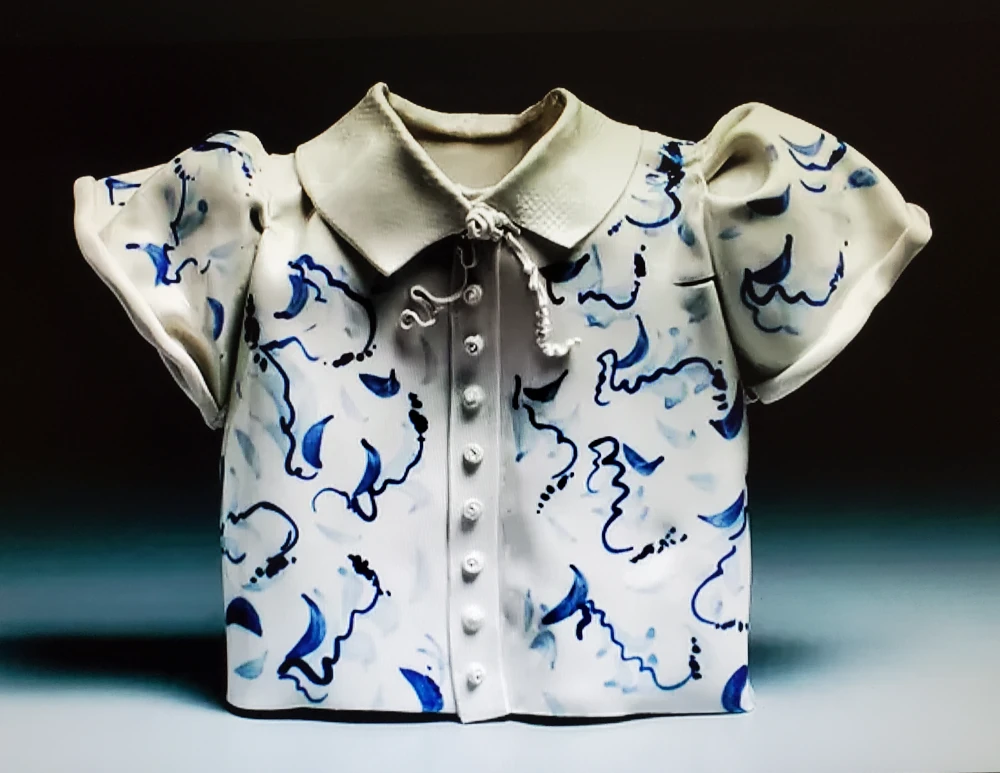 Coille Hooven explains that while she works on a painting, the meaning changes. It stems from her internal monologue as well as the physical process of working with clay. The completed painting includes layers of the literal, fantastical, and intimate, similar to a dream. It leaves a lasting impression. Her goal is to capture the joys and challenges of being human.
What a blessed calling it is to be an artist, to be a part of the creative process. She is frequently surprised and amazed at how a lump of clay has become so expressive of exactly what she didn't realize she was attempting to say when she stimulates the birth of recent work.
Coille Hooven was studying art history, sculpture, painting, weaving, jewelry, and sketching at the University of Illinois in 1960. "Strongly recommend more Latin," my father said in a telegraph to Coille one day. However, it was too late. She'd stumbled across a pottery workshop. Clay had me enthralled: that pile of moist soil, so flexible on the surface yet difficult to overcome.
When working with porcelain, one is dealing with a tumultuous spouse. It must not be allowed to become too wet or it will collapse. If you make it too thick, it will crack. It is temperamental, meaning it is impacted by the weather as well as its inherent malleability or flexibility. Porcelain stiffens up over time, even in a well-sealed plastic bag. This clay has its own determined mind. It takes a long time to become its companion and to hear its music. Porcelain is the most challenging clay body to work with. It shrinks by 20% from wet to dry glazing, making the drying and firing process more difficult.
But, as the adage goes, "no pain, no gain," because porcelain is also the Queen of all clays. These little flat molecules' strength and extraordinary flexibility allow them to perfectly record gestures and movement. She can make loop-de-loop or attenuating handles.
Porcelain is the clay that is heated to the greatest temperature of all, 2400 degrees Fahrenheit (white hot). It then turns transparent where it is thin and extremely strong. She flows with the rhythm of creation, concentrating on regulating the shape as it emerges until it seems done. The feel of the clay is alive and she is a part of the process, whether she is producing teapots or fanciful shoes. Being an artist is a lucky calling, a passionate romance.
Coille Hooven
Coille Hooven explains that while she works on a painting, the meaning changes. It stems from her internal monologue as well as the physical process of working with clay. The completed painting includes layers of the literal, fantastical, and intimate, similar to a dream. It leaves a lasting impression. Her goal is to capture the joys and challenges of being human.
What a blessed calling it is to be an artist, to be a part of the creative process. She is frequently surprised and amazed at how a lump of clay has become so expressive of exactly what she didn't realize she was attempting to say when she stimulates the birth of recent work.
Coille Hooven was studying art history, sculpture, painting, weaving, jewelry, and sketching at the University of Illinois in 1960. "Strongly recommend more Latin," my father said in a telegraph to Coille one day. However, it was too late. She'd stumbled across a pottery workshop. Clay had me enthralled: that pile of moist soil, so flexible on the surface yet difficult to overcome.
When working with porcelain, one is dealing with a tumultuous spouse. It must not be allowed to become too wet or it will collapse. If you make it too thick, it will crack. It is temperamental, meaning it is impacted by the weather as well as its inherent malleability or flexibility. Porcelain stiffens up over time, even in a well-sealed plastic bag. This clay has its own determined mind. It takes a long time to become its companion and to hear its music. Porcelain is the most challenging clay body to work with. It shrinks by 20% from wet to dry glazing, making the drying and firing process more difficult.
But, as the adage goes, "no pain, no gain," because porcelain is also the Queen of all clays. These little flat molecules' strength and extraordinary flexibility allow them to perfectly record gestures and movement. She can make loop-de-loop or attenuating handles.
Porcelain is the clay that is heated to the greatest temperature of all, 2400 degrees Fahrenheit (white hot). It then turns transparent where it is thin and extremely strong. She flows with the rhythm of creation, concentrating on regulating the shape as it emerges until it seems done. The feel of the clay is alive and she is a part of the process, whether she is producing teapots or fanciful shoes. Being an artist is a lucky calling, a passionate romance.
Coille Hooven
5. Helen Levi
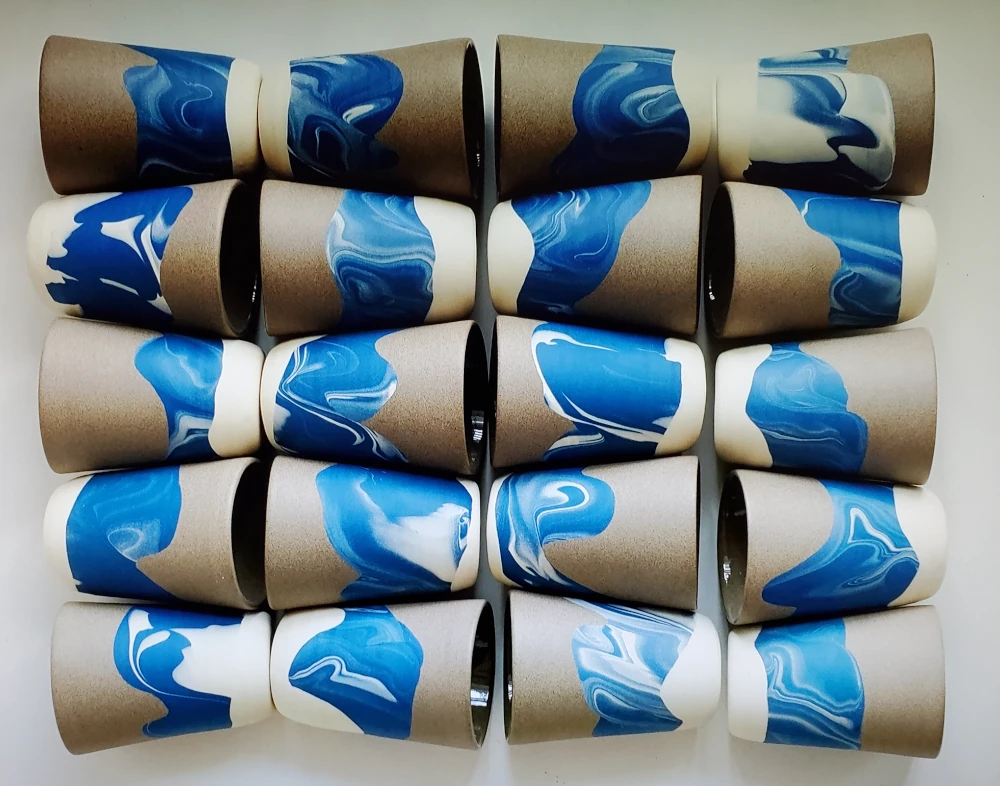 Helen Christgau Levi is a New York-based photographer and potter. Helen Levi established her company in 2013 by throwing each item on the wheel personally. Helen rapidly discovered that this strategy severely limited the number of pieces she could create. She looked into how she might raise her productivity in a way that felt natural to her as she became burned out on the monotony of production tossing. She had to learn which phases of the ceramic process to delegate and which to execute herself when she first recruited an assistant. She knew she wanted to retain the wheel since it was her first love.
Even after 7 years, she still throws and trims each piece manually. She studied slip casting to broaden her work with colored clay, and as a result, she could delegate jobs to her helpers. Making the plaster molds, hand-smoothing each piece, polishing them after the first fire, and glazing them simply with clear glaze since the color is added during the casting process with colored clay.
Helen Levi
Helen Christgau Levi is a New York-based photographer and potter. Helen Levi established her company in 2013 by throwing each item on the wheel personally. Helen rapidly discovered that this strategy severely limited the number of pieces she could create. She looked into how she might raise her productivity in a way that felt natural to her as she became burned out on the monotony of production tossing. She had to learn which phases of the ceramic process to delegate and which to execute herself when she first recruited an assistant. She knew she wanted to retain the wheel since it was her first love.
Even after 7 years, she still throws and trims each piece manually. She studied slip casting to broaden her work with colored clay, and as a result, she could delegate jobs to her helpers. Making the plaster molds, hand-smoothing each piece, polishing them after the first fire, and glazing them simply with clear glaze since the color is added during the casting process with colored clay.
Helen Levi
6. Bruce M. Sherman
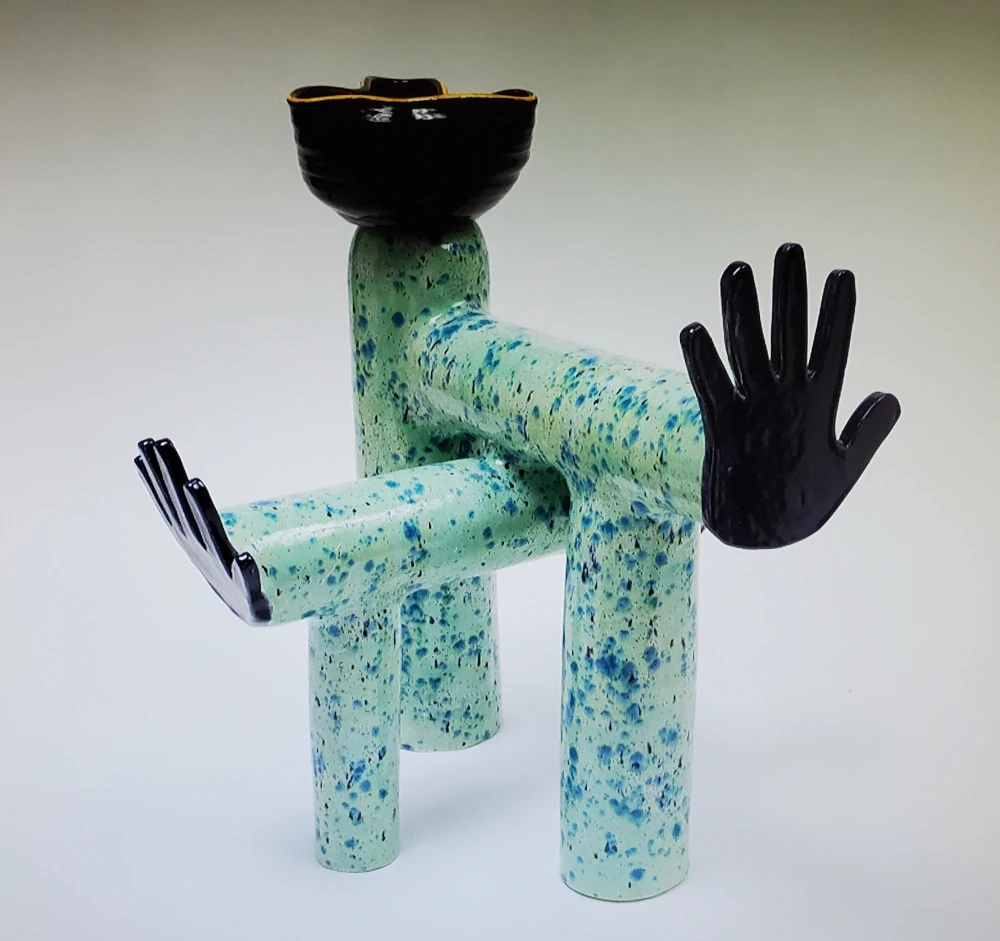 Bruce M. Sherman is a New York City-based artist. Solo exhibits of his work have been shown at White Columns in New York, NY; South Willard in Los Angeles, CA; and Kaufmann Repetto in Milan.
Bruce's humanoid clay sculptures uniquely merge figuration and abstraction. Each of his hand-thrown pieces strikes a careful balance between wit and seriousness, surrealism and tradition, and utility and aesthetics.
This activity, which was fundamental to much of Sherman's pottery training, is where he gets a lot of his inspiration. He never signed his work until late, which stemmed from a more Buddhist sense of people working together and not being attached; being respectful of the work, and letting go in a particular manner.
Bruce M. Sherman
Bruce M. Sherman is a New York City-based artist. Solo exhibits of his work have been shown at White Columns in New York, NY; South Willard in Los Angeles, CA; and Kaufmann Repetto in Milan.
Bruce's humanoid clay sculptures uniquely merge figuration and abstraction. Each of his hand-thrown pieces strikes a careful balance between wit and seriousness, surrealism and tradition, and utility and aesthetics.
This activity, which was fundamental to much of Sherman's pottery training, is where he gets a lot of his inspiration. He never signed his work until late, which stemmed from a more Buddhist sense of people working together and not being attached; being respectful of the work, and letting go in a particular manner.
Bruce M. Sherman
7. Cloutier Ceramics
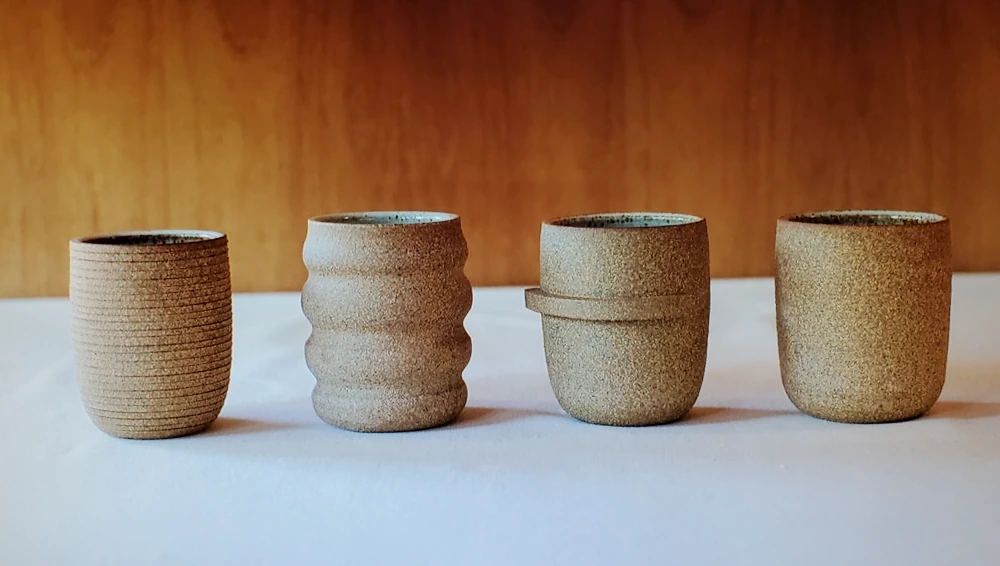 Julie Cloutier is a Californian artist who lives and works in the countryside. Handheld sculptures, practical wares, and daily items are the emphasis of her ceramic work. She uses play to study home customs, and her minimalist lines are informed by her architectural expertise.
Julie Cloutier runs a small ceramic workshop that specializes in handcrafted practical ceramics and clay sculptures.
Cloutier Ceramics
Julie Cloutier is a Californian artist who lives and works in the countryside. Handheld sculptures, practical wares, and daily items are the emphasis of her ceramic work. She uses play to study home customs, and her minimalist lines are informed by her architectural expertise.
Julie Cloutier runs a small ceramic workshop that specializes in handcrafted practical ceramics and clay sculptures.
Cloutier Ceramics
8. Aneta Regel
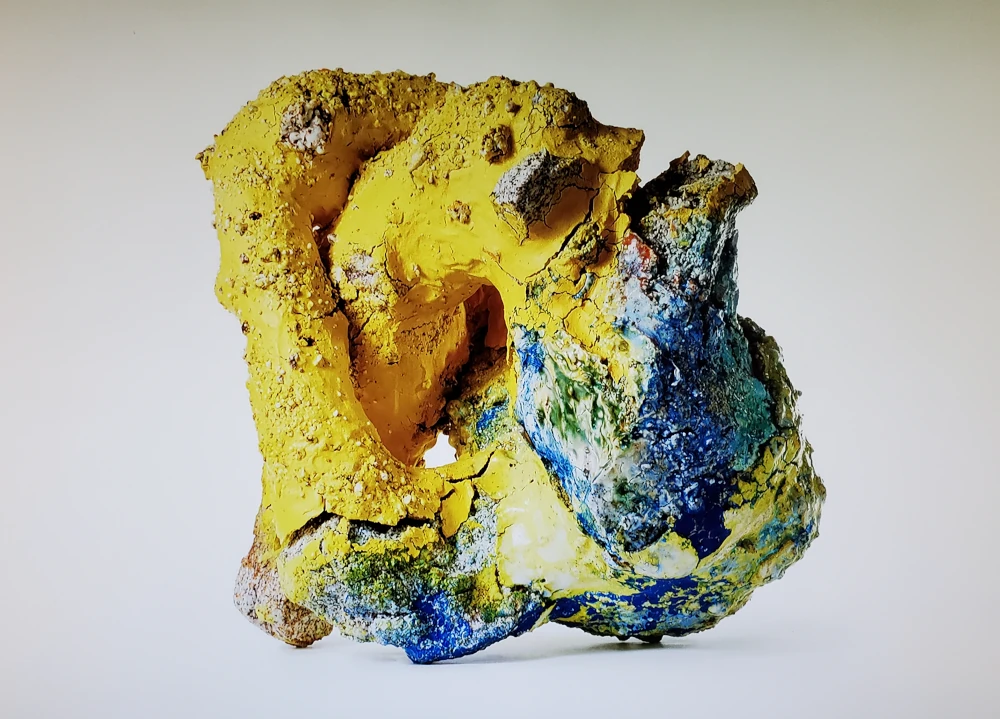 Aneta Regel was born in Poland in 1976 and now lives and works in London. She makes abstract clay sculptures that are inspired by the natural environment. Trees, rocks, and riverbeds are just a few of the things she uses to express her perspective.
She captures the shapes, energy, and rhythms of these natural events, as well as eliciting emotional responses from the audience. "The human body and natural objects attract me," Regel explains. Anthropomorphic allusions and personal storylines can be found throughout my work." Aside from clay, there are layers of glaze.
Regel's major body of work is made up of volcanic rock elements, basalt, granite, and feldspars, resulting in visually diverse surfaces and textures.
Regel is a Fellow Craft Potters Association member and a graduate of the Royal College of Art. The World Ceramics Museum in Korea, the Westerwald Museum in Germany, and Handelsbankens Konstförening in Sweden all include her work in their collections. Second Nature, her first solo show in the United States, was held at the Jason Jacques Gallery in 2017.
Regel varies from her creative forefathers in that she does not choose to express herself via the human figure. Trees, rocks, pastures, and riverbeds, these and other landscape elements are the visuals she uses to communicate her vision. She is a romantic at heart, and she wishes to depict not just the shapes, energy, and rhythms of these natural events, but also the emotional reaction they elicit.
She was frequently faced as a child growing up in northern Poland by big stones, smooth spherical excrescences left behind by glacial activity, which abound in the forests and have been the subject of stories endowed with anthropomorphic and quasi-magical qualities. Her art reflects a similar sense of wonder in the presence of nature, as well as an openness to its transcendental dimension.
Given her goals, it was nearly unavoidable that Regel's formal language be abstract, making a kind of analogy to the natural world rather than attempting to explain it. She distills her vivid impressions of shape and movement, as well as her almost Wordsworthian sense of the numinous, into these abstracted visuals. They, in other words, create space for the imagination, not only hers but also the viewers.
Because, like any romantic art, these sculptures require our empathy to match their creator's dedication. They are, in a sense, one side of a contract, nearly a collusion; and, as this indicates, they are not for the visually challenged or faint-hearted.
Regel's work, on the other hand, is well worth our time and effort. Her highly constructed sculptures, which are usually unglazed but occasionally partly colored for dramatic effect, have that dynamic tension between force and elegance that is always artistically stimulating. If there are hints of inspirations (for example, Claudi Casanovas), they are completely assimilated and do not impair her particular voice.
That voice isn't harsh or strident in the least. In a sector that is all too often willing to settle for bizarre quirkiness, it is a breath of fresh air to come across an artist who is aesthetically comfortable, content to let her work emerge from big ideas and inclusive, time-honored principles.
Since graduating from the Royal College in 2006, Regel's ethics and conviction have won her many fans, and she is quickly establishing herself as a rare talent with a bright future. Only time will tell how that future will unfold; and time, an artist's most valuable possession is on her side.
Aneta Regel
Aneta Regel was born in Poland in 1976 and now lives and works in London. She makes abstract clay sculptures that are inspired by the natural environment. Trees, rocks, and riverbeds are just a few of the things she uses to express her perspective.
She captures the shapes, energy, and rhythms of these natural events, as well as eliciting emotional responses from the audience. "The human body and natural objects attract me," Regel explains. Anthropomorphic allusions and personal storylines can be found throughout my work." Aside from clay, there are layers of glaze.
Regel's major body of work is made up of volcanic rock elements, basalt, granite, and feldspars, resulting in visually diverse surfaces and textures.
Regel is a Fellow Craft Potters Association member and a graduate of the Royal College of Art. The World Ceramics Museum in Korea, the Westerwald Museum in Germany, and Handelsbankens Konstförening in Sweden all include her work in their collections. Second Nature, her first solo show in the United States, was held at the Jason Jacques Gallery in 2017.
Regel varies from her creative forefathers in that she does not choose to express herself via the human figure. Trees, rocks, pastures, and riverbeds, these and other landscape elements are the visuals she uses to communicate her vision. She is a romantic at heart, and she wishes to depict not just the shapes, energy, and rhythms of these natural events, but also the emotional reaction they elicit.
She was frequently faced as a child growing up in northern Poland by big stones, smooth spherical excrescences left behind by glacial activity, which abound in the forests and have been the subject of stories endowed with anthropomorphic and quasi-magical qualities. Her art reflects a similar sense of wonder in the presence of nature, as well as an openness to its transcendental dimension.
Given her goals, it was nearly unavoidable that Regel's formal language be abstract, making a kind of analogy to the natural world rather than attempting to explain it. She distills her vivid impressions of shape and movement, as well as her almost Wordsworthian sense of the numinous, into these abstracted visuals. They, in other words, create space for the imagination, not only hers but also the viewers.
Because, like any romantic art, these sculptures require our empathy to match their creator's dedication. They are, in a sense, one side of a contract, nearly a collusion; and, as this indicates, they are not for the visually challenged or faint-hearted.
Regel's work, on the other hand, is well worth our time and effort. Her highly constructed sculptures, which are usually unglazed but occasionally partly colored for dramatic effect, have that dynamic tension between force and elegance that is always artistically stimulating. If there are hints of inspirations (for example, Claudi Casanovas), they are completely assimilated and do not impair her particular voice.
That voice isn't harsh or strident in the least. In a sector that is all too often willing to settle for bizarre quirkiness, it is a breath of fresh air to come across an artist who is aesthetically comfortable, content to let her work emerge from big ideas and inclusive, time-honored principles.
Since graduating from the Royal College in 2006, Regel's ethics and conviction have won her many fans, and she is quickly establishing herself as a rare talent with a bright future. Only time will tell how that future will unfold; and time, an artist's most valuable possession is on her side.
Aneta Regel
9. Sarah Cihat
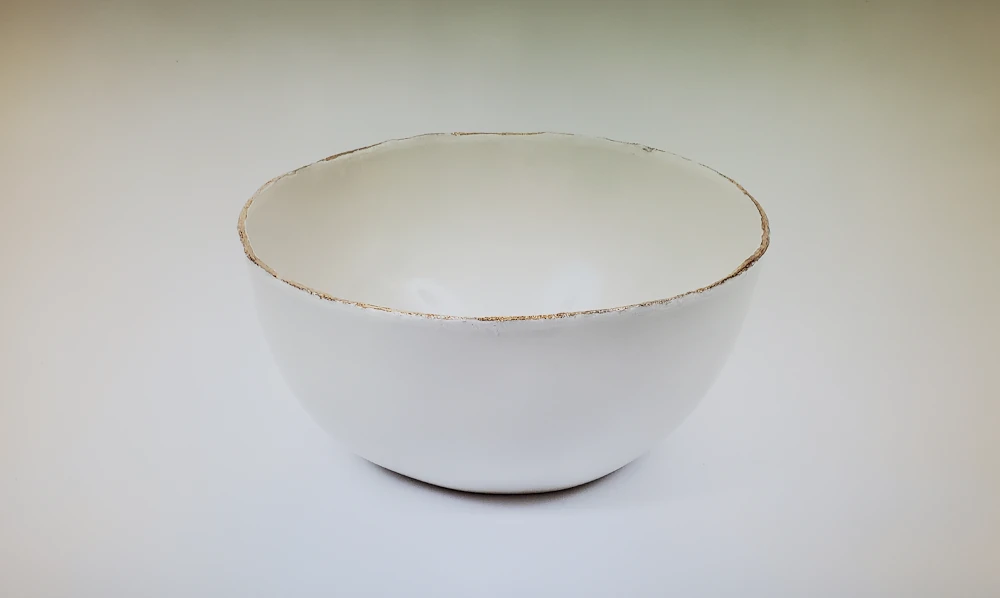 Sarah Cihat received her bachelor's degree in design from Parsons School of Design in 2003, the same year she critically praised the "Rehabilitated Dishware" series debuted at ICFF.
Sarah then rented a shared studio space in a huge ceramic studio in Brooklyn, NY, to turn the collection into a successful company and continue her "experiment in sustainability that reincarnates current items." She also dabbled in other mediums, such as ceramics, porcelain slip casting, glazing, and mold-making.
Sarah now works out of her studio in Nashville, Tennessee.
Her preferred media is clay. She is awestruck by how it transforms into a three-dimensional object very instantly. She likes the feel and warmth of porcelain. She enjoys the challenge of creating unique molds as well as the arithmetic and mathematics involved in the process.
Sarah's work has appeared in Vogue, Elle, The New York Times, Surface, Wallpaper*, Food & Wine, NYLON, Bon Appetit, Domino, LA Times, Paper, The Washington Post, House Beautiful, and Metropolitan Home—as well as exhibitions at the St. Etienne International Design Biennial, Salone di Mobile, Museum of Arts and Design Object Factory, and Fragiles Exhibit and Book in Miami and Berlin.
Sarah collaborates with Frederick Bouchardy of Joya in New York to create a perfume, home fragrance, and apothecary line. She also works with metalsmith Michael Miller regularly, as well as on special projects like The Catbird Seat and W Hotels.
Mociun Home, Barneys New York, Food52, and Wilder are now carrying her cast porcelain plate collection.
Sarah Cihat
Sarah Cihat received her bachelor's degree in design from Parsons School of Design in 2003, the same year she critically praised the "Rehabilitated Dishware" series debuted at ICFF.
Sarah then rented a shared studio space in a huge ceramic studio in Brooklyn, NY, to turn the collection into a successful company and continue her "experiment in sustainability that reincarnates current items." She also dabbled in other mediums, such as ceramics, porcelain slip casting, glazing, and mold-making.
Sarah now works out of her studio in Nashville, Tennessee.
Her preferred media is clay. She is awestruck by how it transforms into a three-dimensional object very instantly. She likes the feel and warmth of porcelain. She enjoys the challenge of creating unique molds as well as the arithmetic and mathematics involved in the process.
Sarah's work has appeared in Vogue, Elle, The New York Times, Surface, Wallpaper*, Food & Wine, NYLON, Bon Appetit, Domino, LA Times, Paper, The Washington Post, House Beautiful, and Metropolitan Home—as well as exhibitions at the St. Etienne International Design Biennial, Salone di Mobile, Museum of Arts and Design Object Factory, and Fragiles Exhibit and Book in Miami and Berlin.
Sarah collaborates with Frederick Bouchardy of Joya in New York to create a perfume, home fragrance, and apothecary line. She also works with metalsmith Michael Miller regularly, as well as on special projects like The Catbird Seat and W Hotels.
Mociun Home, Barneys New York, Food52, and Wilder are now carrying her cast porcelain plate collection.
Sarah Cihat
10. Jami Porter Lara
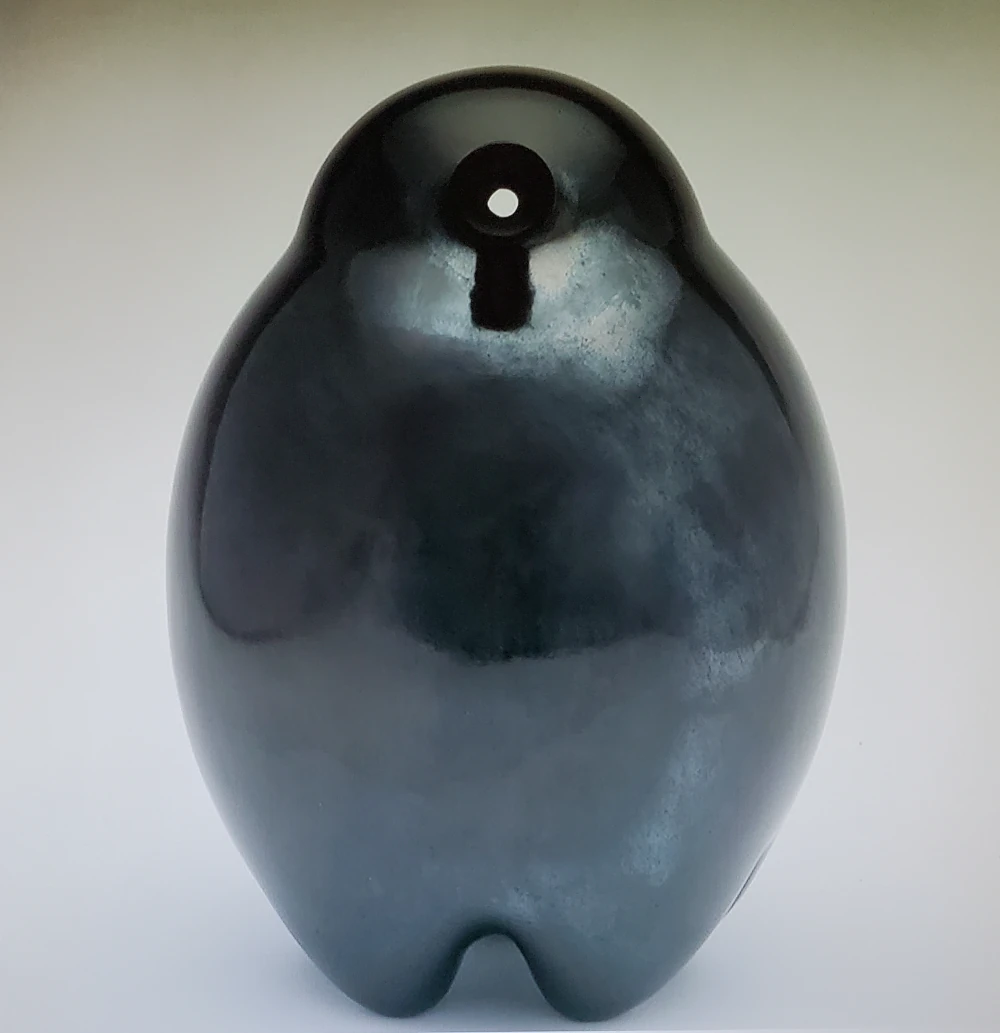 Jami Porter Lara is from Spokane, WA. Jami Porter Lara is a conceptual artist who is fascinated by how people employ naturalistic notions to naturalize human political structures. Porter Lara investigates how the fiction of identification produces lived reality using a variety of formal processes including sculpture, printmaking, and drawing, as well as sewing and embroidery.
Buying my new kiln!

Setting Up Your Ceramic Kiln - Choose Kiln Location

18. Loading, Fire and Unloading Electric Kiln

How to Build a Digitally Controlled Electric Kiln/Foundry

Choosing Framing Lumber

Choosing a Kiln

Diy Microwave Kiln | Melt Glass in the Microwave

The Clay Process: Firing Clay in the Kiln

Help Me Choose: Glass Kilns

Buying your first Kiln (used or new)

How to install and fire a new Studio 1 electric kiln

Setting Up Your Ceramic Kiln - Choose Kiln Location

Kiln Basics for the Beginner Potter

LOADING YOUR CERAMICS KILN FOR BEGINNERS // AMACO Classroom Kiln Basics

FIRING a Bisque Kiln - A Guide for Beginners! Day 38 Quarantine Distraction Video

Getting my first home kiln the Rohde Ecotop 43, Top Loading Kiln

Beginner Kiln Questions

DIY Electric Heat Treat Oven/Kiln/Furnace Part 3: installing the elements

Buying a Microwave Kiln - 10 Things You Need to Know!

What is a Kiln? Glassblowing FAQ - by Purr Glass

How to MOVE a KILN!

HOW TO SELECT A KILN (Part 1)

home studio // bisque-firing my new kiln

HOW TO SELECT A KILN (Part 3)

A few thoughts about getting started with your own kiln.

HOW TO SELECT A KILN (Part 2)

Kiln Furniture Cheap & Esay

How to Use a Kiln and What To Do When Things Go Wrong with Lisa Vogt

How to Rent a Kiln: gain access to a pottery kiln WITHOUT buying one

How to Load a Kiln - Loading a Skutt 818 Kiln

495. Tips on the Electric Kiln Set Up for Your Home Studio with Hsin-Chuen Lin ??? ????????????

How to program a Studio 1 kiln

PROGRAMMING A KILN FOR BEGINNERS!!!!! // AMACO Classroom Kiln Basics

Help Me Choose: Rohde Kiln

Understanding Your Kiln

The Ceramic Shop Reviews L&L e23T-3 Kiln

Help Me Choose: Nabertherm Kiln

Turn an old Oven into a Kiln

Unbelievable Emerge Kiln- BUY NOW

The Ceramic Shop Reviews Skutt KMT1022 Kiln
His work is an investigation of ideas. He's looking for clues about what awareness is and what information may be gleaned by documenting it in the visuals he sees. The mind reveals information about itself as well as what it means to be human. His artistic activity becomes a map of those hints, tools, reminders, or assertions of an endeavor to comprehend. Much of his figurative work is based on an earlier investigation of historical materials, which he used as a tool to develop an understanding of representation as a young artist. Internal pictures that he sees on walls, floors, and between objects in his studio rapidly evolved from historical sources to internal images that he sees on walls, floors, and between things. Looking becomes a part of the process. They've shifted their focus on producing a picture that has previously been viewed rather than composing an image that has already been seen. It's the belief that stories are meant to be recorded rather than composed. The thing's known-ness, therefore, becomes a process of knowledge rather than a finished product. The figurative art differs from his more organic plant shapes in that the figures seldom stray from the initial idea or picture, but the plant forms evolve. The plant forms are all about generating the right conditions for a shape to emerge. The notion is that the next action may be dictated by a shape or gesture. His approach consists of intellectual discussions with himself while putting these concepts into action. It's not so much about sculpting as it is about a conversation about the evolution of dreams, projected visions, and the capacity to express them. It is a form of realism in its own right. It's a form of production that aims to erase the conditions that obstruct the process of gazing to discover knowledge in the visions that fill our heads. Matt is on the lookout for items that have gone missing or have yet to be discovered. To him, the holy is the world's performance of understanding. Matt Wedel
21. Jessica Stoller
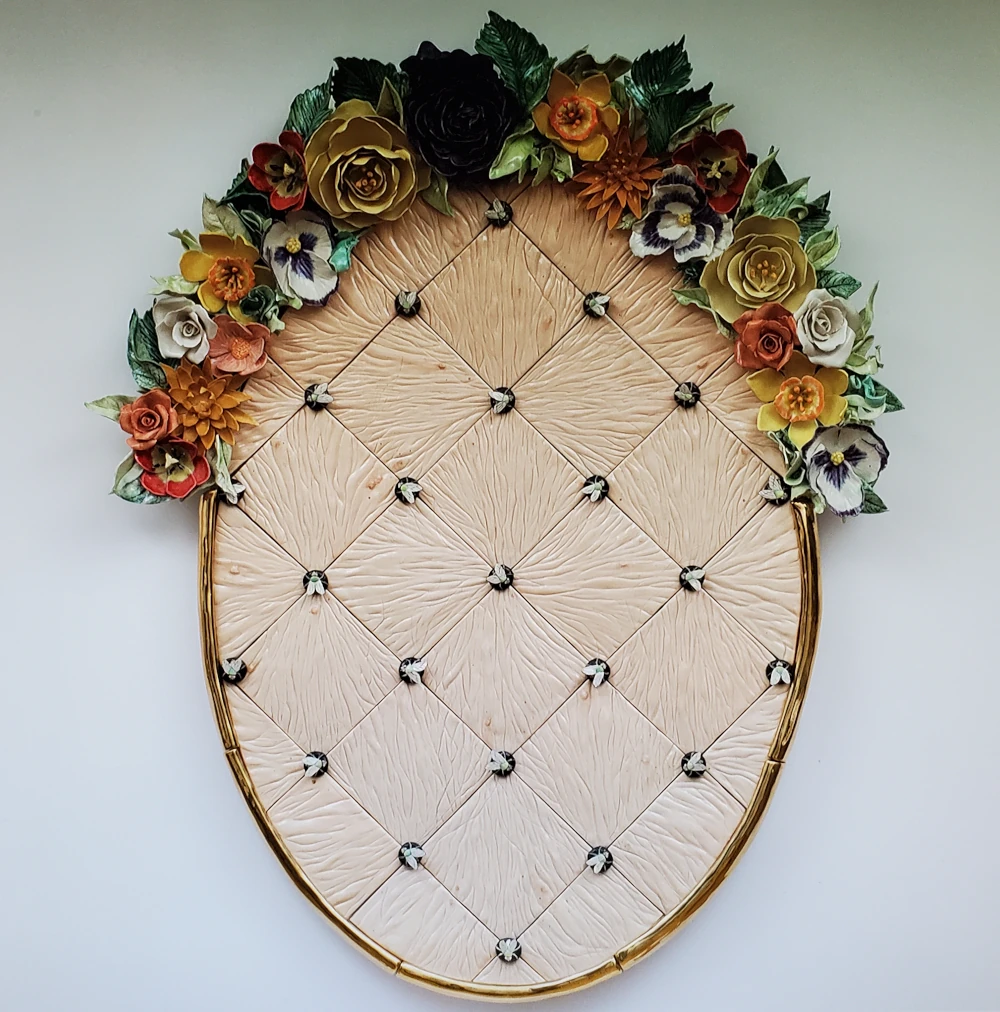 Jessica Stoller (born 1981 in Detroit, Michigan) is a Brooklyn-based artist. She earned a BFA and an MFA from the College for Creative Studies and Cranbrook Academy of Art, respectively. The New York Times, Ceramics: Art and Perception, and N.Y. Times have all published reviews of Stoller's work.
Jessica Stoller's elaborate porcelain sculptures draw on the medium's historical connotations with consumption and desire to produce technically ambitious shapes that blend femininity, food, and the horrific. Stoller's handcrafted, labor-intensive creations rethink notions of the ornamental arts. Rich ornate texture evocative of Rococo extravagance, as well as parallels to 17th century Japanese and Chinese porcelain flowers.
In Still Life, she depicts pearl necklaces and tiered pastries amid snails and severed hands (2013). Surface treatments such as piping and carving, as well as many coats of china paint post-glazing, are used. She generally starts her works by sketching a reference drawing based on pictures from her collection of art history, fashion, and the body.
Jessica Stoller use clay and the grotesque as a means of exploring the created world of idealized womanhood, collecting imagery from across cultural boundaries.
Jessica Stoller
Jessica Stoller (born 1981 in Detroit, Michigan) is a Brooklyn-based artist. She earned a BFA and an MFA from the College for Creative Studies and Cranbrook Academy of Art, respectively. The New York Times, Ceramics: Art and Perception, and N.Y. Times have all published reviews of Stoller's work.
Jessica Stoller's elaborate porcelain sculptures draw on the medium's historical connotations with consumption and desire to produce technically ambitious shapes that blend femininity, food, and the horrific. Stoller's handcrafted, labor-intensive creations rethink notions of the ornamental arts. Rich ornate texture evocative of Rococo extravagance, as well as parallels to 17th century Japanese and Chinese porcelain flowers.
In Still Life, she depicts pearl necklaces and tiered pastries amid snails and severed hands (2013). Surface treatments such as piping and carving, as well as many coats of china paint post-glazing, are used. She generally starts her works by sketching a reference drawing based on pictures from her collection of art history, fashion, and the body.
Jessica Stoller use clay and the grotesque as a means of exploring the created world of idealized womanhood, collecting imagery from across cultural boundaries.
Jessica Stoller
Famous Museums
Victoria & Albert Museum
The Victoria and Albert Museum in London is the world's biggest and famous museum of applied arts, decorative arts, and design, with approximately 2.27 million artifacts in its permanent collection. It was named after Queen Victoria and Prince Albert when it was founded in 1852.Metropolitan Museum
The Metropolitan Museum of Art in New York City, informally known as "the Met," is the country's biggest and famous art museum. Its permanent collection, which is split into 17 curatorial divisions, has almost two million items.National Gallery
The National Gallery of Art serves the nation by inviting everyone to come and explore and experience art, creativity, and our shared humanity.National Museum
The National Gallery of Art, together with its adjoining Sculpture Garden, is a famous national art museum in Washington, D.C., located on the National Mall between 3rd and 9th Streets NW on Constitution Avenue NW.Philadelphia Museum
The Philadelphia Museum of Art is a famous art museum that was founded in 1876 for the Philadelphia Centennial Exposition. The main museum structure was erected in 1928 on Fairmount, a hill near the northwest end of the Benjamin Franklin Parkway at Eakins Oval.Famous Artists For Inspiration
Zemer Peled
Zemer Peled is a well known sculptor who also works as an installation artist. She now lives in the United States. Zemer Peled's art explores the natural world's beauty and cruelty. Her sculptural language is influenced by her surroundings and environment, and she explores issues of memory, identity, and location. Her works are made up of thousands of porcelain shards that are assembled into large/small-scale sculptures and installations.Grayson Perry
Grayson Perry CBE RA is a famous modern English artist, writer, and broadcaster. He is well-known for his ceramic vases, tapestries, and cross-dressing, as well as his assessments of the contemporary arts scene and his analysis of British "prejudices, trends, and follies."Gordon Baldwin
Gordon Baldwin OBE is a famous studio potter from England. He studied painting at the Lincoln School of Art under Tony Bartl, and it was while at Lincoln that he met studio potter and ceramics professor Robert Blatherwick, who impacted his work.Ruth Duckworth
Ruth Duckworth was a famous ceramicist and modernist sculptor who worked with stoneware, porcelain, and bronze. The majority of her sculptures remain unnamed. Clouds over Lake Michigan, a wall sculpture, is her most well-known work.Edmund de Waal
Edmund Arthur Lowndes de Waal, CBE is a famous modern English artist, potter, and author. He is well-known for his large-scale installations of porcelain containers, which are frequently inspired by collections, archives, or the history of a certain location.Betty Woodman
Betty Woodman began her career as a practical potter, but in the 1970s she shifted to a more ornamental and expressive form.Beatrice Wood
Beatrice Wood was an American avant-garde artist and famous studio potter who co-founded and published The Blind Man and Rongwrong magazines in New York City in 1917 with French artist Marcel Duchamp and writer Henri-Pierre Roché.Lucie Rie
Lucie Rie was a British ceramics artist of Austrian origin. Rie's art, which often consists of hand-thrown pots, bottles, and bowl shapes, is notable for its Modernist designs and use of brilliant colors.Kimiyo Mishima
Kimiyo Mishima is a modern Japanese artist best known for producing incredibly realistic ceramic reproductions of "breakable printed matter" such as newspapers, comic books, and boxes. Mishima began her creative career as a painter in the early 1960s before transitioning to ceramics in 1971.Richard Slee
Richard Slee is a ceramic artist from the United Kingdom. He attended Carlisle College of Art and Design, the Central School of Art and Design, where he received a first-class honors degree in ceramics, and the Royal College of Art.Peter Voulkos
Peter Voulkos was a Greek-born famous American artist. He is most renowned for his abstract expressionist clay sculptures, which blurred the line between ceramic crafts and high art. He founded the ceramics departments at the Los Angeles County Art Institute and the University of California, Berkeley.Hans Coper
Hans Coper was a well-known British famous studio potter of German origin. Due to their close affiliation, his work is frequently associated with that of Lucie Rie, even though their best known work differs drastically, with Rie's being less sculptural and Coper's being much more abstract, but always useful.Magdalene Odundo
Dame Magdalene Anyango Namakhiya Odundo DBE is a British studio potter of Kenyan origin who now resides in Farnham, Surrey. Since 2018, she has served as Chancellor of the University for the Creative Arts.